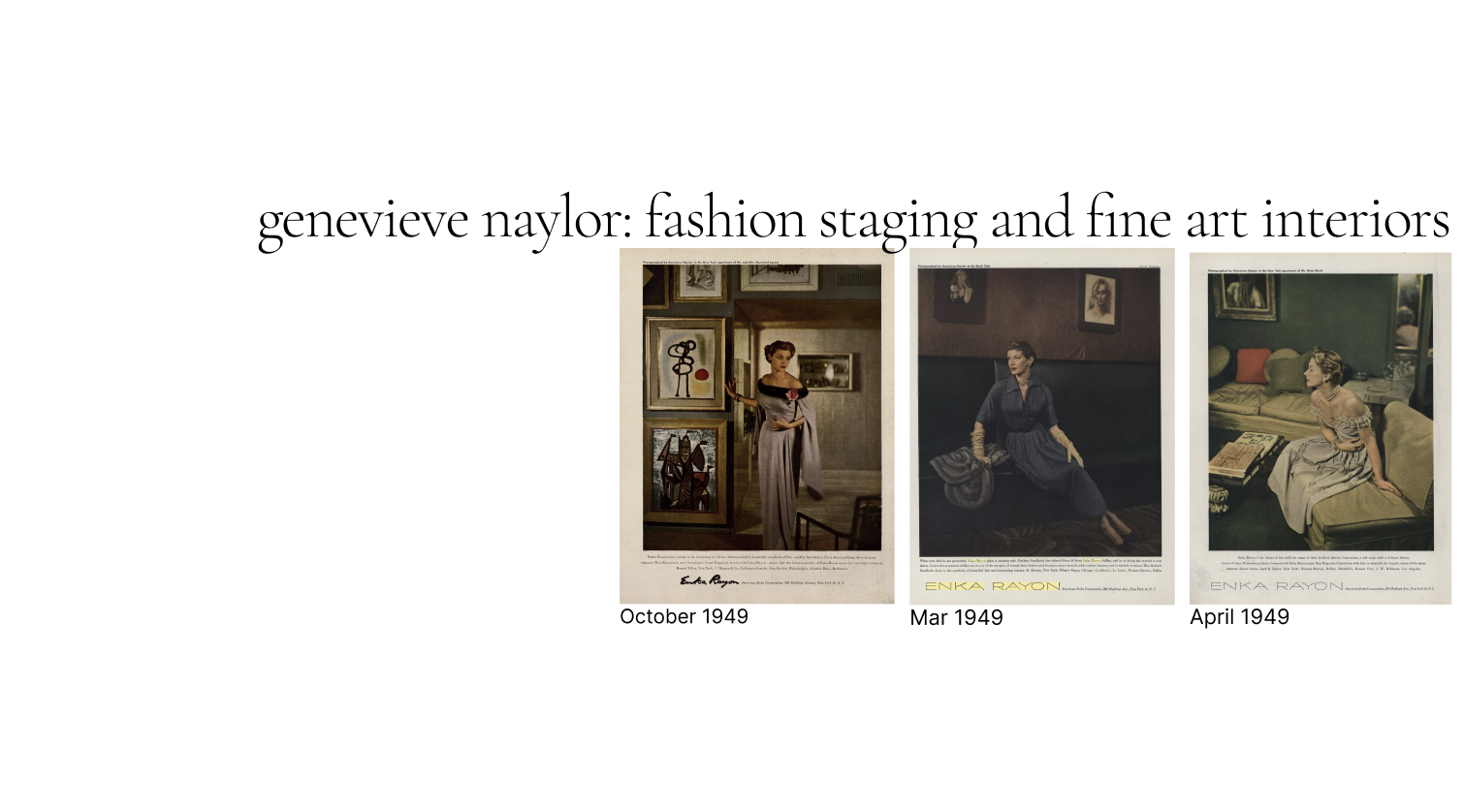
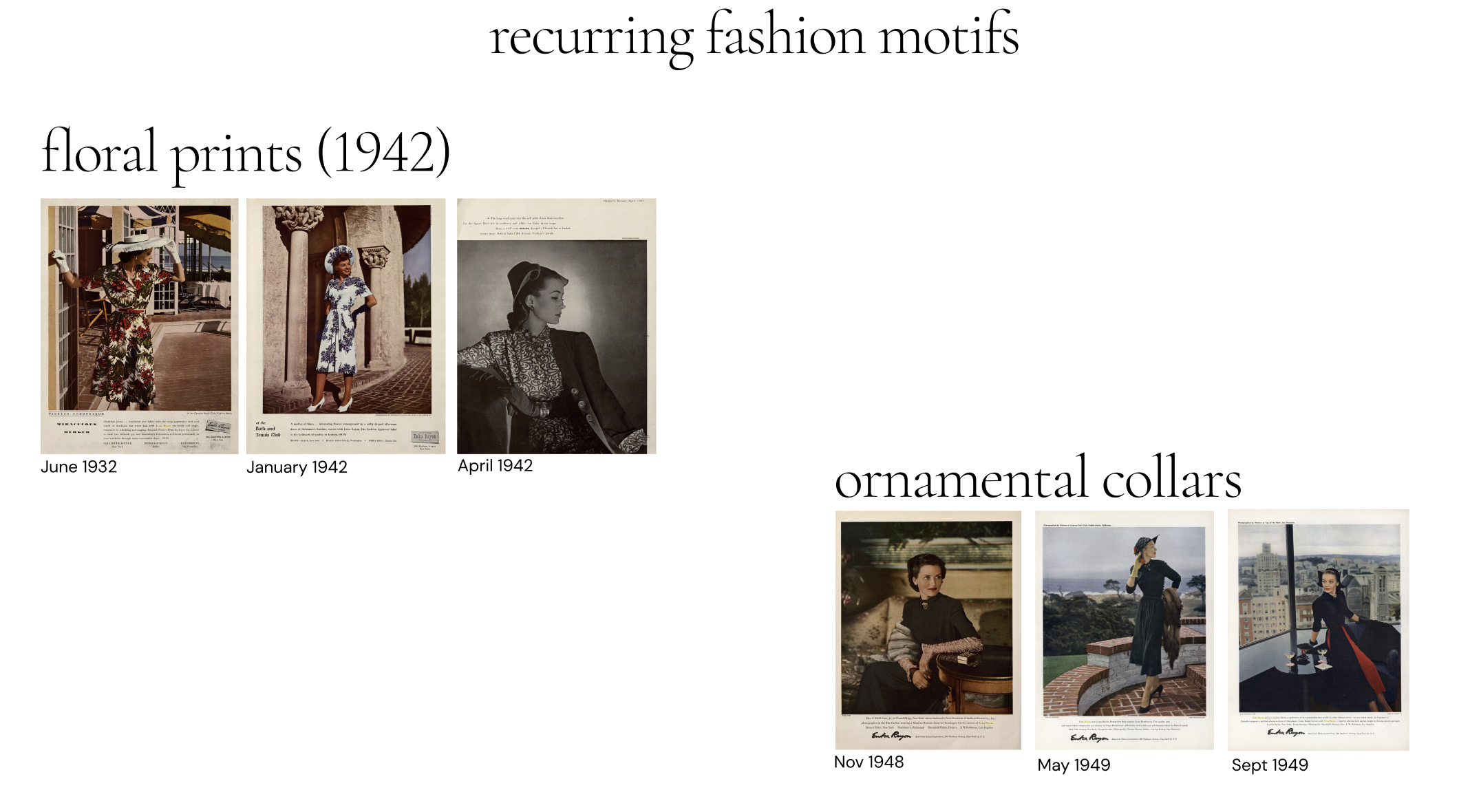
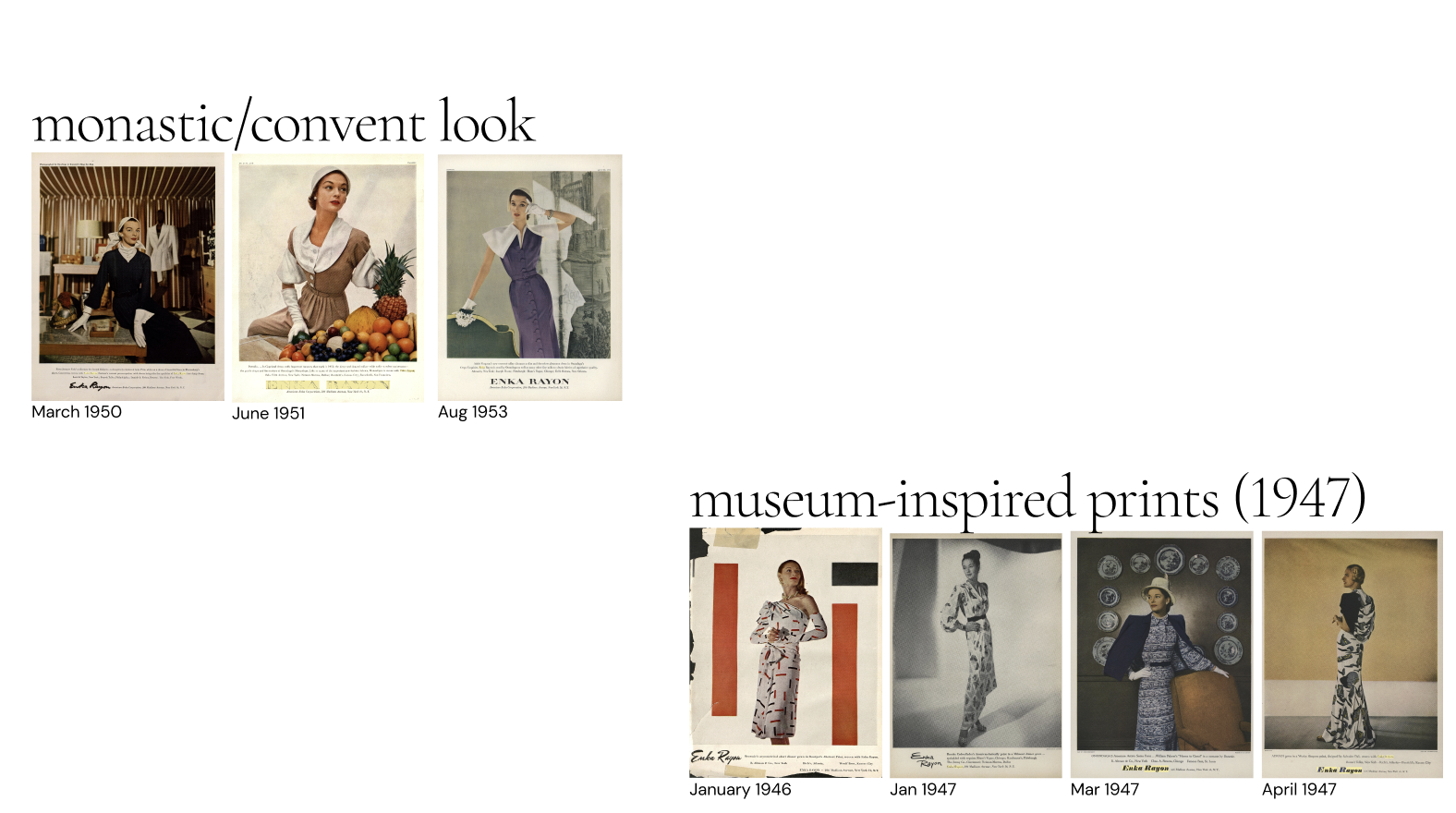
American Enka and the Fashioning of Rayon, 1930s–1950s
Developed in the early twentieth century as a substitute for silk, rayon occupied an unstable position between industrial material and fashion textile as it entered consumer markets in the 1920s. Emerging from chemical research tied to paper, explosives, and industrial manufacturing, rayon carried the persistent stigma of imitation even in its original name, “artificial silk.” As Susannah Handley observes, the reputation of synthetics “peaks and plummets” according to their cultural context; materials such as rayon derive meaning less from intrinsic properties than from the associations attached to them.